⏳ Đang tạo file in (PDF)...
Hệ thống đang định dạng khổ giấy A4 chuẩn in ấn...
Vui lòng chờ: 10 giây
🔥 Có thể mẹ quan tâm:
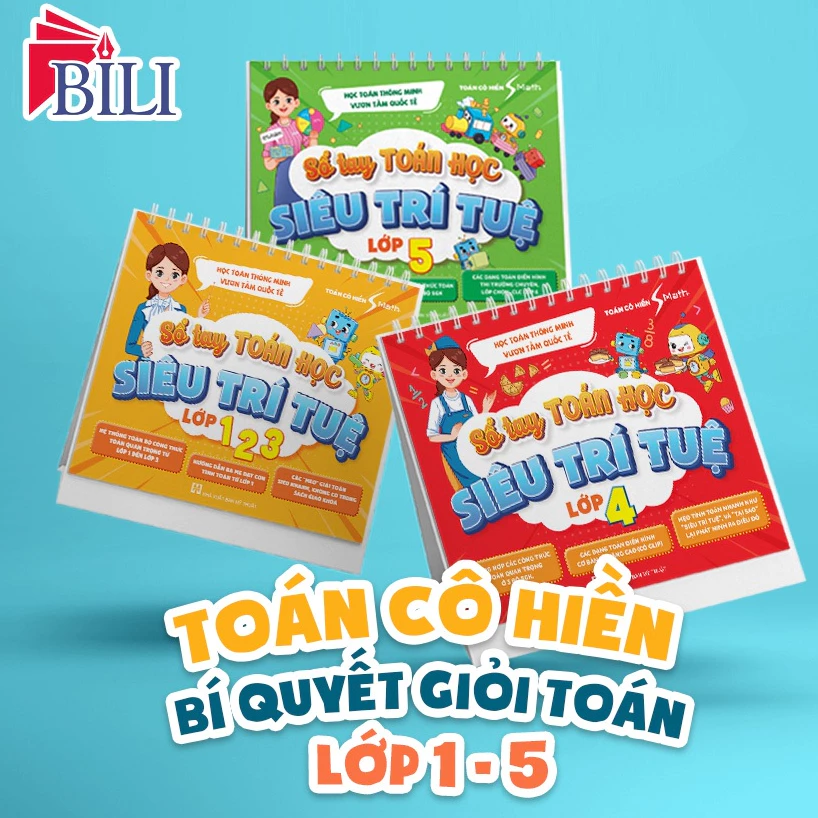
Sổ tay Toán học Siêu trí tuệ [Lớp 1 - 5] - Toán cô Hiền
Xem ngay
Lược gội đầu massage Dego Pharma - làm sạch da đầu, hỗ trợ đánh bay gàu & bã nhờn
Xem ngay
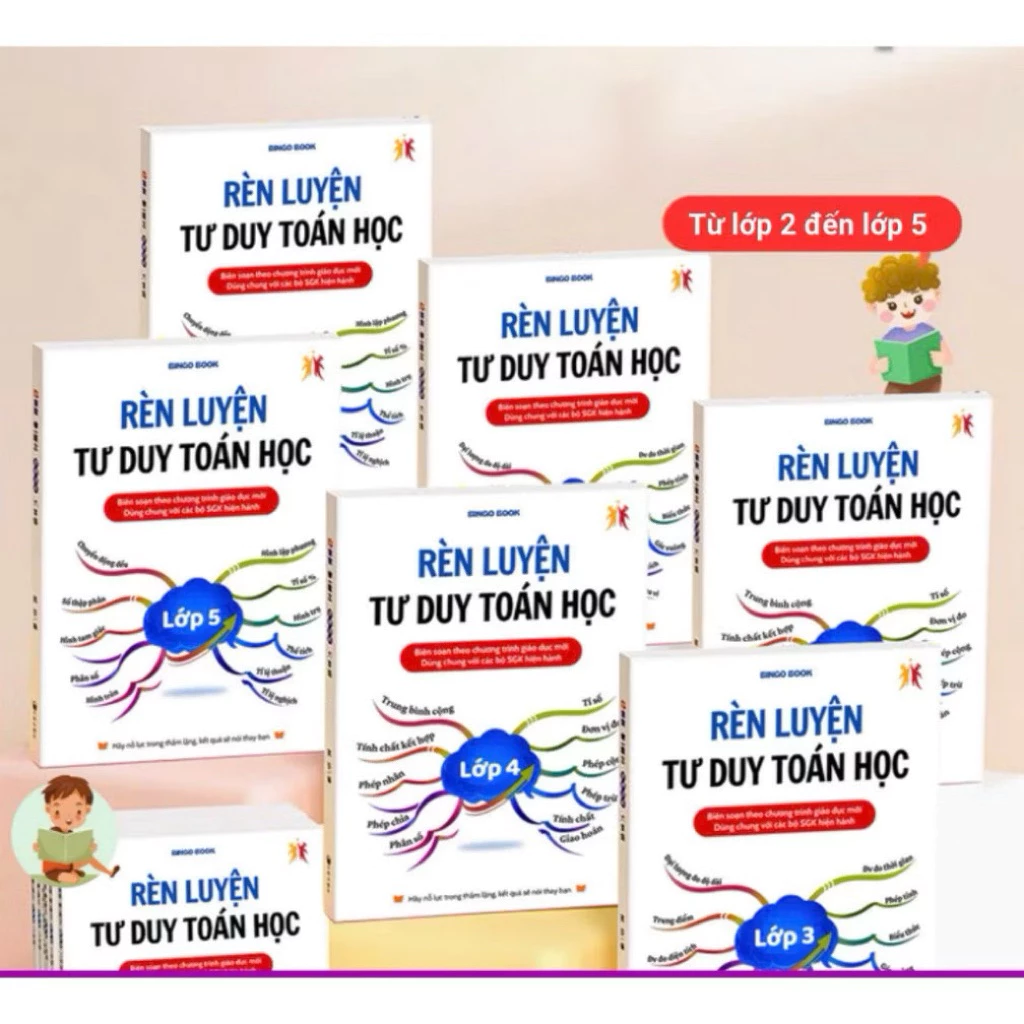
Sách Rèn Luyện Tư Duy Toán Học Lớp 2-3-4-5, Toán Tư Duy Logic
Xem ngay

Túi Zip Đựng Bút Và Đồ Dùng Học Tập,Túi Đựng Bút Trong Suốt
Xem ngay
30 bài ôn tập Chủ điểm: Nghệ thuật muôn màu (Bài: Tập hát quan họ) môn tiếng anh lớp 5
Nguồn: Trúng Tủ - Ôn thi tiểu học miễn phí
ENGLISH WORKSHEET - GRADE 5
Hello wonderful students! Let's explore the colorful world of art and traditional Vietnamese music together. Get ready for some fun exercises!
Câu 1: What is the main topic of this lesson?
- A. Animals
- B. Vietnamese Folk Music (Quan Họ)
- C. Science experiments
- D. Sports
Câu 2: Listen to the song (if provided) and choose the best word to describe the melody.
- A. Fast and loud
- B. Slow and gentle
- C. Repetitive and boring
- D. Modern and electronic
Câu 3: Quan Họ is a famous type of traditional Vietnamese folk singing. What region is it from?
- A. South Vietnam
- B. Central Vietnam
- C. North Vietnam
- D. Mekong Delta
Câu 4: In Quan Họ, there are usually two singers who sing in a call-and-response style. What are these singers often called?
- A. Dancers
- B. Musicians
- C. Performers
- D. Singers (called "Liền Anh" and "Liền Chị")
Câu 5: What feelings can Quan Họ music evoke?
- A. Sadness and loneliness
- B. Joy and love
- C. Anger and frustration
- D. Fear and suspense
Câu 6: Quan Họ singing is recognized as part of UNESCO's ___________ Heritage.
- A. Natural
- B. Cultural
- C. Artistic
- D. Intangible
Câu 7: What is the primary instrument used in traditional Quan Họ performances?
- A. Piano
- B. Guitar
- C. Voice (singing)
- D. Drum
Câu 8: Choose the word that best describes the rhythm of Quan Họ.
- A. Chaotic
- B. Steady and flowing
- C. Very fast
- D. Irregular
Câu 9: Quan Họ songs often tell stories about __________.
- A. Science facts
- B. Daily life and emotions
- C. Historical battles
- D. Animals in the wild
Câu 10: If you wanted to learn to sing Quan Họ, what would you need to practice?
- A. Playing the drums
- B. Singing with emotion and clear pronunciation
- C. Dancing ballet
- D. Writing poems
Câu 11: Fill in the blank: Quan Họ is a ___________ of Vietnam.
- A. Food
- B. Dance
- C. Type of music
- D. Sport
Câu 12: What does "art" mean in general?
- A. Solving math problems
- B. Expressing creativity and imagination through various forms
- C. Reading history books
- D. Playing video games
Câu 13: What is the main characteristic of "call-and-response" singing?
- A. One person sings a long solo.
- B. Singers take turns singing phrases or parts of a song.
- C. Everyone sings the same melody at the same time.
- D. Only instrumental music is played.
Câu 14: Why is traditional music like Quan Họ important?
- A. It is very old.
- B. It helps preserve culture and history.
- C. It is easy to learn.
- D. It makes a lot of noise.
Câu 15: Choose the best word to describe the atmosphere of a Quan Họ performance.
- A. Lively and festive
- B. Quiet and formal
- C. Scary and intense
- D. Boring and monotonous
Câu 16: The lyrics of Quan Họ often focus on themes of ___________.
- A. Technology
- B. Friendship and romance
- C. Science fiction
- D. Politics
Câu 17: Imagine you are listening to Quan Họ. What kind of instruments might you hear accompanying the singing?
- A. Electric guitar and drums
- B. Flutes, drums, and zithers
- C. Synthesizers and keyboards
- D. Trumpets and trombones
Câu 18: What does "traditional" mean?
- A. New and modern
- B. Related to beliefs, customs, or practices from the past
- C. Very fast
- D. Made by machines
Câu 19: What is the cultural significance of Quan Họ?
- A. It is only for entertainment.
- B. It represents the heritage and artistic expression of a community.
- C. It is a new form of music.
- D. It is taught in science class.
Câu 20: How do you think singing Quan Họ makes the performers feel?
- A. Bored and tired
- B. Proud and connected to their culture
- C. Sad and lonely
- D. Angry
Câu 21: (TỰ LUẬN) Describe one thing you learned about Quan Họ today.
...........................................................................
...........................................................................
...........................................................................
...........................................................................
...........................................................................
Câu 22: (TỰ LUẬN) What makes Quan Họ unique compared to other types of music you know?
...........................................................................
...........................................................................
...........................................................................
...........................................................................
...........................................................................
Câu 23: Choose the word that describes the voices in Quan Họ.
- A. Harsh
- B. Melodious and often high-pitched
- C. Muffled
- D. Monotone
Câu 24: Quan Họ is considered a UNESCO ___________ Heritage of Humanity.
- A. Natural
- B. Tangible
- C. Intangible
- D. Material
Câu 25: Which of the following is NOT a typical theme in Quan Họ songs?
- A. Love
- B. Nature
- C. Everyday life
- D. Space exploration
Câu 26: What does it mean to be "proud" of your culture?
- A. To feel ashamed of it.
- B. To feel happy and honored about your heritage and traditions.
- C. To ignore it.
- D. To think it is bad.
Câu 27: If you were to introduce Quan Họ to a friend, what would you say?
- A. "It's just old music."
- B. "It's a beautiful and traditional Vietnamese folk singing style from the North."
- C. "It's very loud and confusing."
- D. "I don't know anything about it."
Câu 28: (TỰ LUẬN) What is one word that comes to your mind when you think about Quan Họ? Why?
...........................................................................
...........................................................................
...........................................................................
...........................................................................
...........................................................................
Câu 29: The male singers in Quan Họ are called ______ and the female singers are called ______.
- A. Boys / Girls
- B. Men / Women
- C. Liền Anh / Liền Chị
- D. Performers / Musicians
Câu 30: Do you think it's important to preserve traditional arts like Quan Họ? Why or why not?
...........................................................................
...........................................................................
...........................................................................
...........................................................................
...........................................................................