⏳ Đang tạo file in (PDF)...
Hệ thống đang định dạng khổ giấy A4 chuẩn in ấn...
Vui lòng chờ: 10 giây
🔥 Có thể mẹ quan tâm:
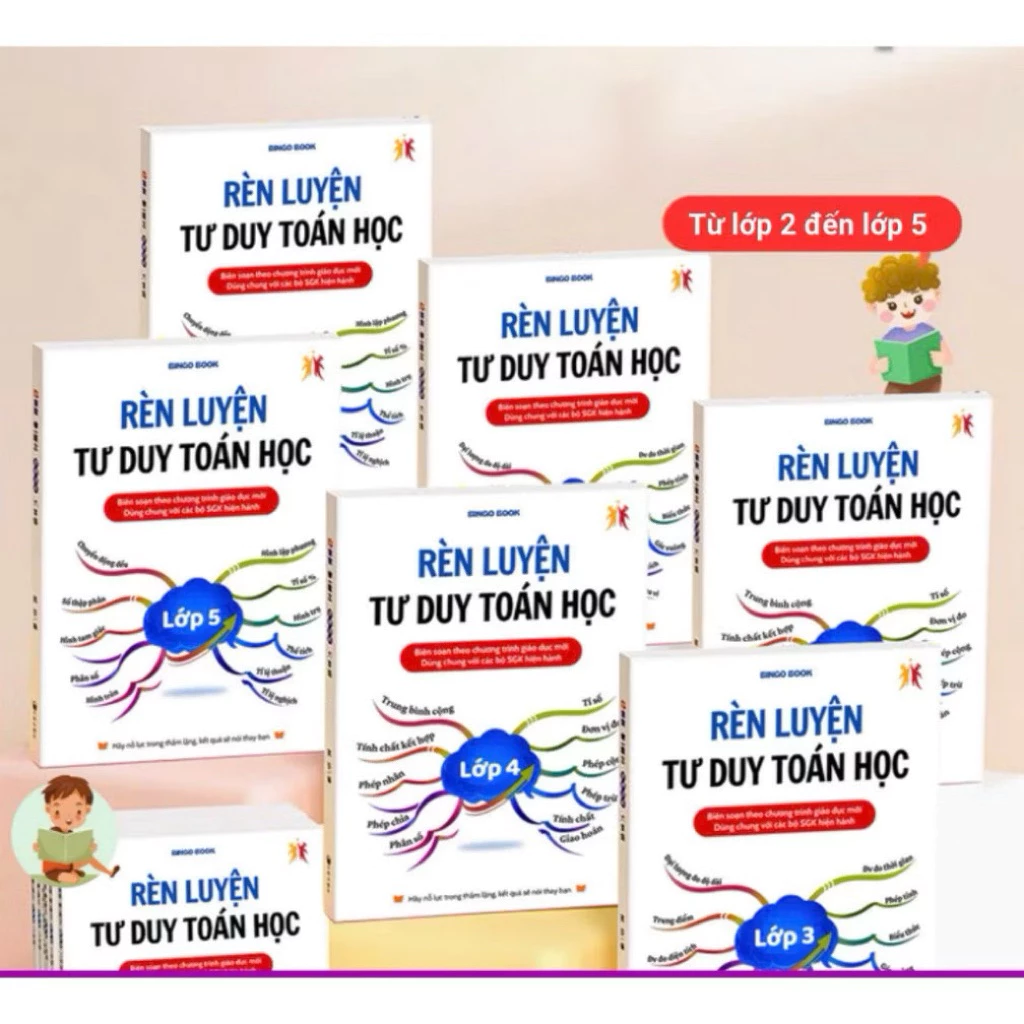
Sách Rèn Luyện Tư Duy Toán Học Lớp 2-3-4-5, Toán Tư Duy Logic
Xem ngay
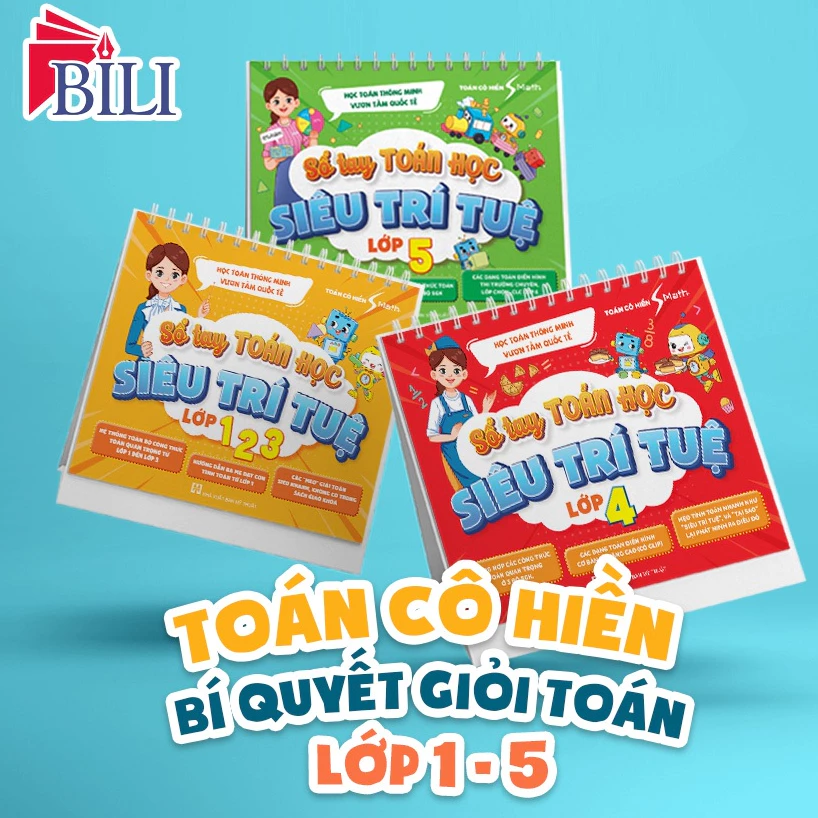
Sổ tay Toán học Siêu trí tuệ [Lớp 1 - 5] - Toán cô Hiền
Xem ngay
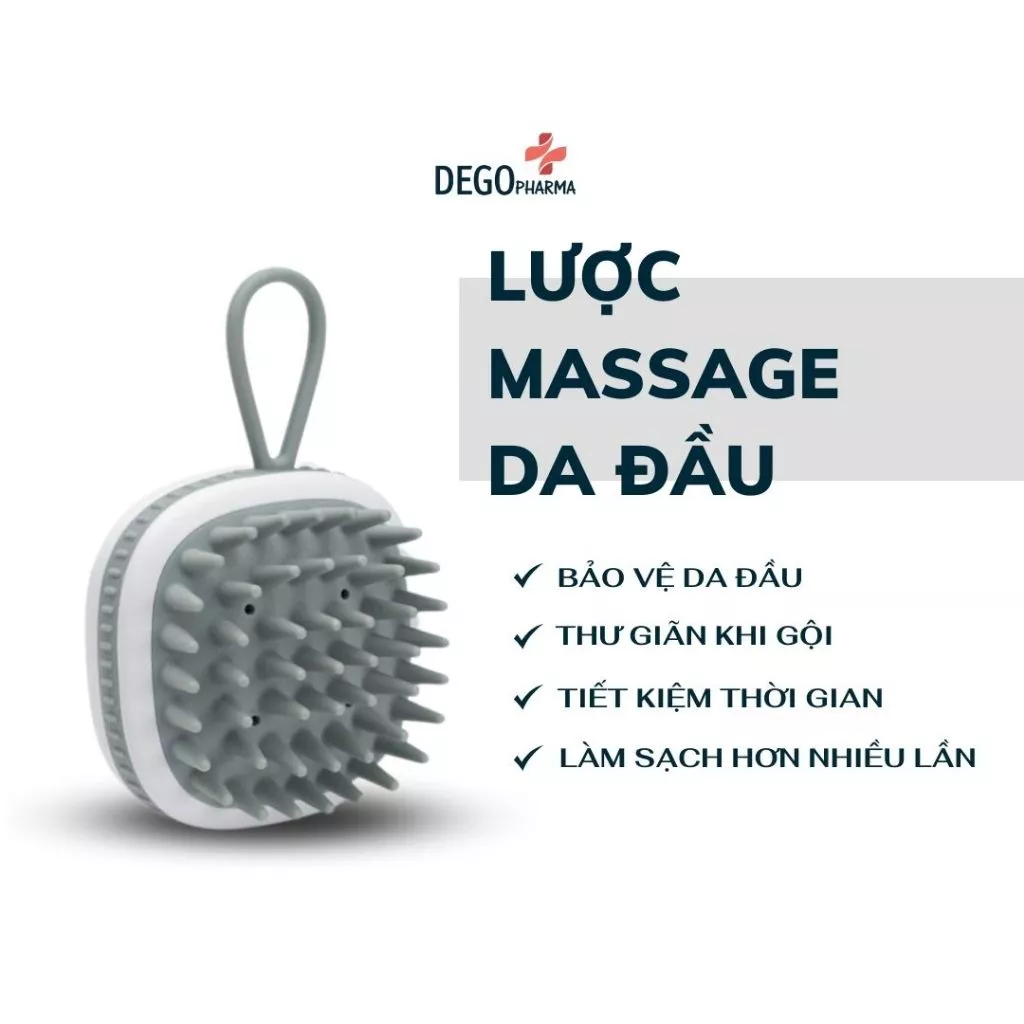
Lược gội đầu massage Dego Pharma - làm sạch da đầu, hỗ trợ đánh bay gàu & bã nhờn
Xem ngay
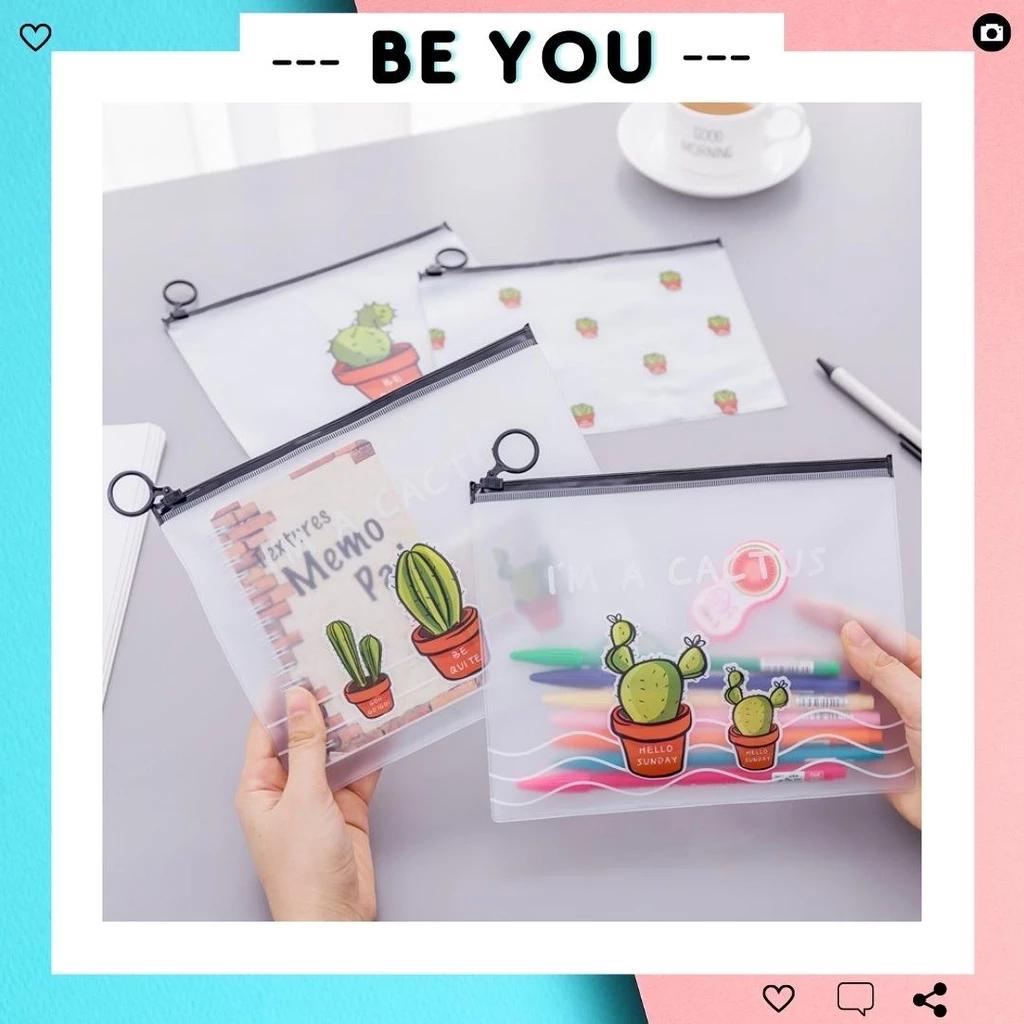
Túi Zip Đựng Bút Và Đồ Dùng Học Tập,Túi Đựng Bút Trong Suốt
Xem ngay
15 bài ôn tập Chủ điểm: Nghệ thuật muôn màu (Bài: Tập hát quan họ) môn tiếng anh lớp 5
Nguồn: Trúng Tủ - Ôn thi tiểu học miễn phí
PHIẾU BÀI TẬP TIẾNG ANH LỚP 5 - TUẦN 16
Chào các con học sinh yêu quý! Tuần này chúng ta đã cùng nhau khám phá thế giới "Nghệ thuật muôn màu" và đặc biệt là tìm hiểu về làn điệu Quan Họ mượt mà của quê hương mình. Cô tin rằng các con đã học được rất nhiều điều thú vị rồi đấy. Giờ thì hãy cùng cô ôn tập lại những kiến thức đó qua phiếu bài tập nhỏ này nhé. Các con hãy tự tin làm bài, cô luôn ở đây để cổ vũ các con!
Câu 1: Choose the word that best completes the sentence.
Quan Ho is a traditional __________ art of Vietnam.
Quan Ho is a traditional __________ art of Vietnam.
- A. dance
- B. cooking
- C. singing
- D. painting
Câu 2: What do we call a person who sings Quan Ho songs?
- A. a dancer
- B. a painter
- C. a singer
- D. an actor
Câu 3: Fill in the blank with the correct word.
My grandmother often tells me stories about our local __________ festival.
My grandmother often tells me stories about our local __________ festival.
...........................................................................
...........................................................................
...........................................................................
...........................................................................
...........................................................................
Câu 4: Look at the picture and choose the best word to describe it. (Imagine a picture of Quan Ho singers in traditional costumes.)
The Quan Ho singers wear beautiful __________ costumes.
The Quan Ho singers wear beautiful __________ costumes.
- A. modern
- B. traditional
- C. funny
- D. casual
Câu 5: What does "art" mean?
- A. A subject like Math or Science.
- B. Activities like painting, music, or dance.
- C. A type of sport.
- D. A kind of food.
Câu 6: Complete the sentence using "can" or "can't".
My little brother __________ sing very well yet, but he loves listening to music.
My little brother __________ sing very well yet, but he loves listening to music.
...........................................................................
...........................................................................
...........................................................................
...........................................................................
...........................................................................
Câu 7: Rearrange the words to make a meaningful sentence.
traditional / Quan Ho / folk / is / a / song / Vietnamese.
traditional / Quan Ho / folk / is / a / song / Vietnamese.
...........................................................................
...........................................................................
...........................................................................
...........................................................................
...........................................................................
Câu 8: Choose the correct question for the answer.
Answer: Quan Ho singing comes from Bac Ninh province.
Answer: Quan Ho singing comes from Bac Ninh province.
- A. When does Quan Ho singing come?
- B. Who sings Quan Ho?
- C. Where does Quan Ho singing come from?
- D. What is Quan Ho singing?
Câu 9: Which of these is a type of art?
- A. playing football
- B. reading books
- C. drawing pictures
- D. sleeping in bed
Câu 10: Write about your favorite type of art. What is it? Why do you like it? ( khoảng 2-3 câu)
...........................................................................
...........................................................................
...........................................................................
...........................................................................
...........................................................................
Câu 11: Fill in the blank with the correct preposition: "at", "in", "on".
People often listen to Quan Ho songs __________ festivals.
People often listen to Quan Ho songs __________ festivals.
- A. in
- B. on
- C. at
- D. for
Câu 12: What are two main art forms often seen at Vietnamese festivals?
- A. cooking and cleaning
- B. singing and dancing
- C. reading and writing
- D. sleeping and eating
Câu 13: Circle the mistake in the sentence and correct it.
Quan Ho singers usually dress in modern clothes.
Quan Ho singers usually dress in modern clothes.
...........................................................................
...........................................................................
...........................................................................
...........................................................................
...........................................................................
Câu 14: Choose the word that has a different sound for the underlined part.
- A. sing
- B. fish
- C. like
- D. listen
Câu 15: Imagine you are at a Quan Ho performance. What would you say about the singers' voices? (Hãy viết 1 câu).
...........................................................................
...........................................................................
...........................................................................
...........................................................................
...........................................................................